
Self-Serve Billing, From Call to Click
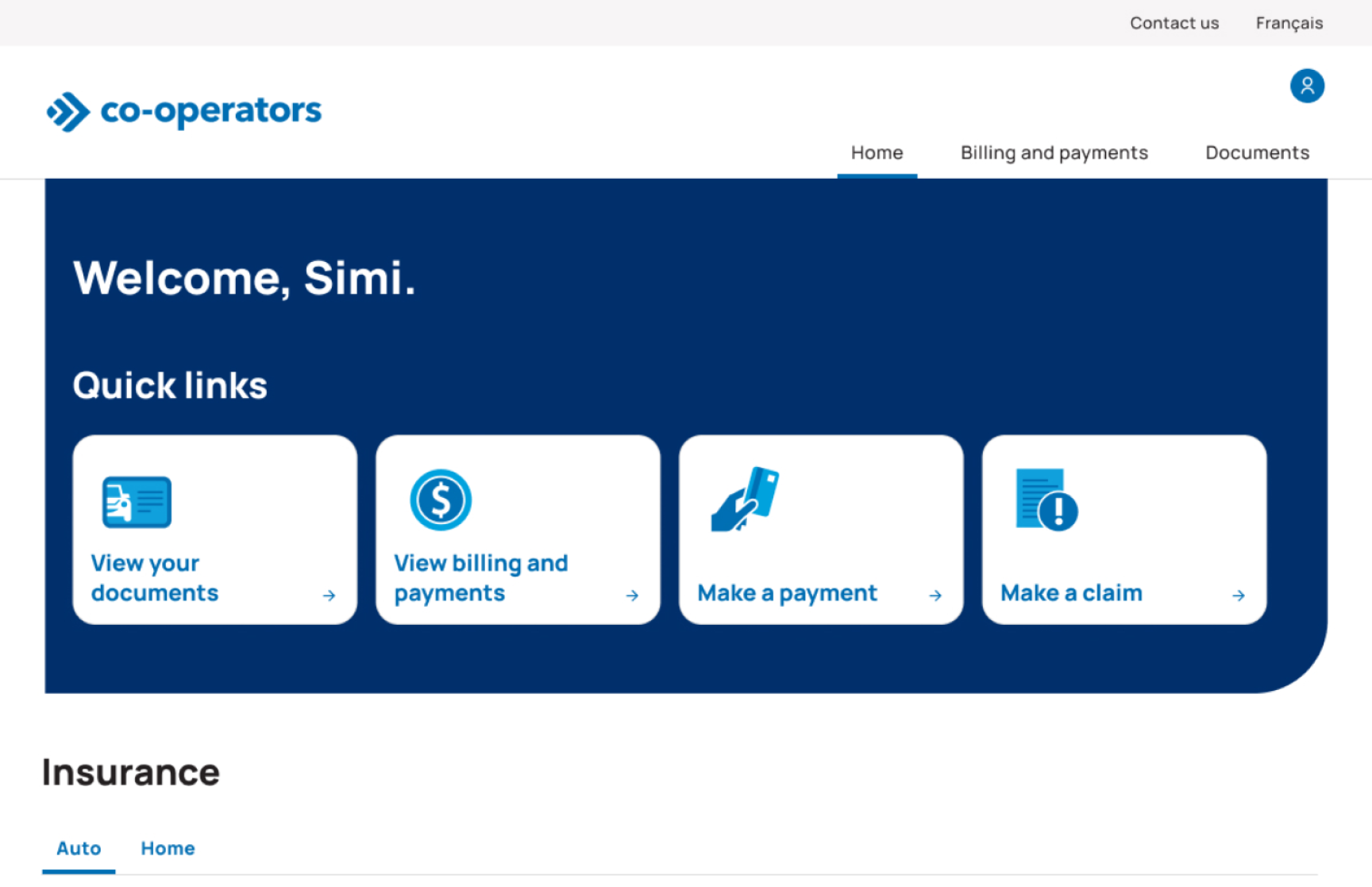
Co-operators’ clients had no way to manage billing through the self-serve portal. Viewing payment details, updating banking information, managing payment methods. All of it required a call. For a platform built to reduce that friction, billing was a conspicuous gap.
Role
UX Design Director
Team
UX Designers · UX Writers · UX Researchers · Product Manager · Business Analysts · Developers
Company
Co-operators
The Situation
The contact centre was absorbing routine billing tasks that should have been self-serve. The digital platform had no billing capability at all. Before the team touched a wireframe, I made sure we understood why.
My Role
UX Design Director. I directed the evidence strategy, ensured research shaped direction before any solutions were on the table, and coached the team on how to frame and advocate for their recommendations with stakeholders.
The Approach
Discovery surfaced three findings that drove every design decision:
- Mobile users took nearly twice as long as desktop users to find the billing section. Navigation and findability had to be solved before any self-serve functionality could land.
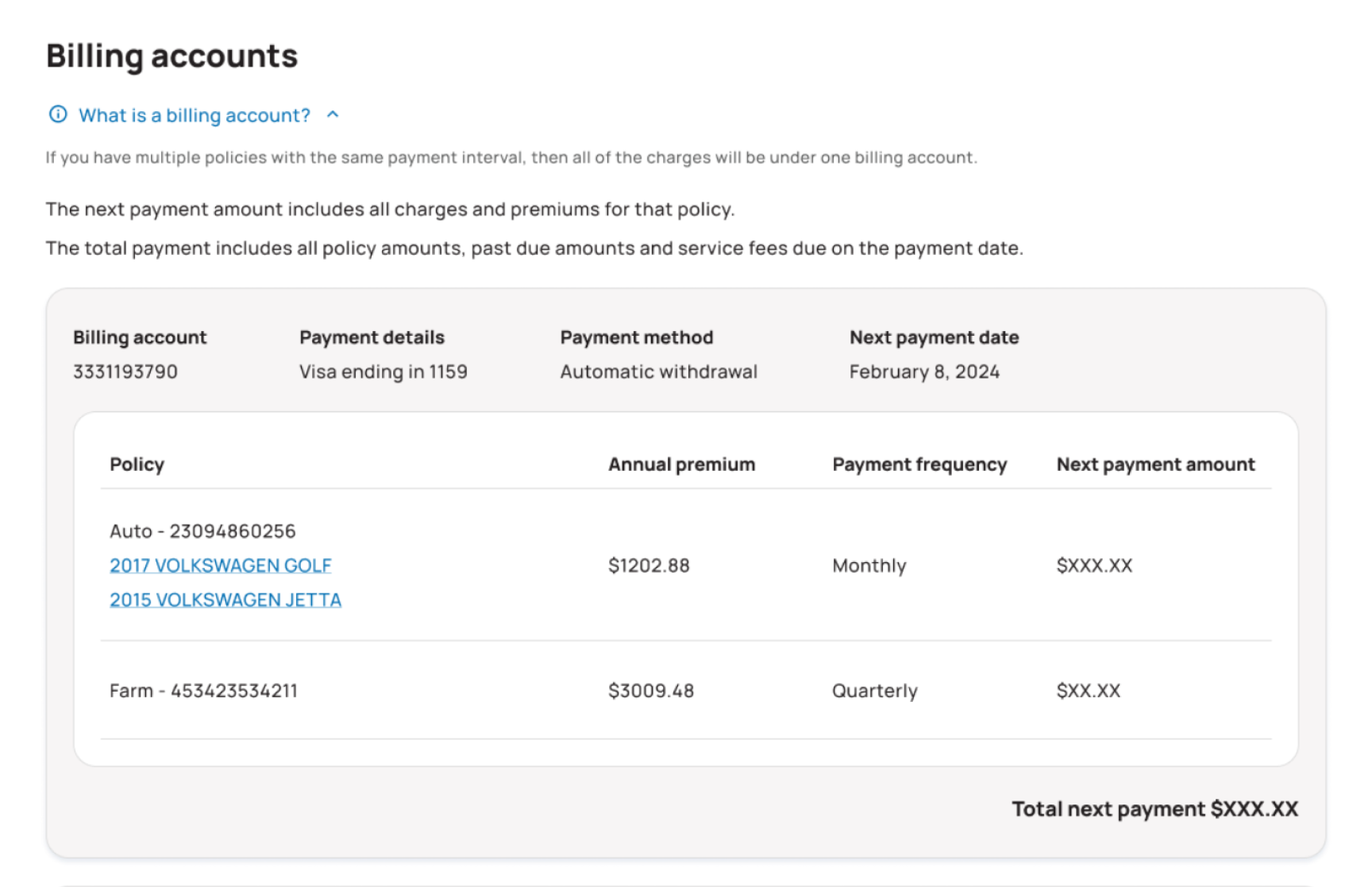
- When vehicle and address information appeared contextually alongside billing details, 92% of participants responded positively. Seeing their car, their home, and their payment information together created confidence that a policy number alone couldn't.
- Users expected one consolidated monthly total. Not amounts split across separate billing accounts. That was their mental model of insurance. The design needed to match it.
With those findings in hand, I introduced a Good/Better/Best framework. Instead of presenting a single solution for approval, stakeholders got a clear view of the tradeoffs between scope, investment, and impact. The conversation shifted from approval to priorities. The team had a structured way to advocate for the right level of ambition.
Stakeholders chose Better for the first release. A phased approach that built the foundation before layering in full self-serve capability.
What Shipped
Three phases. A billing dashboard view first. Then self-serve banking and payment information management. Then payment method changes and draw date control. Each phase built on the last.
What Changed
- 100+ self-serve transactions per day within weeks of launch
- 3,000+ transactions completed since launch
- Direct reduction in contact centre volume
- Positive stakeholder feedback across the board